




Agentic NetOps: the future of intelligent network operations
 Gusztáv Krékity
 2026.06.18
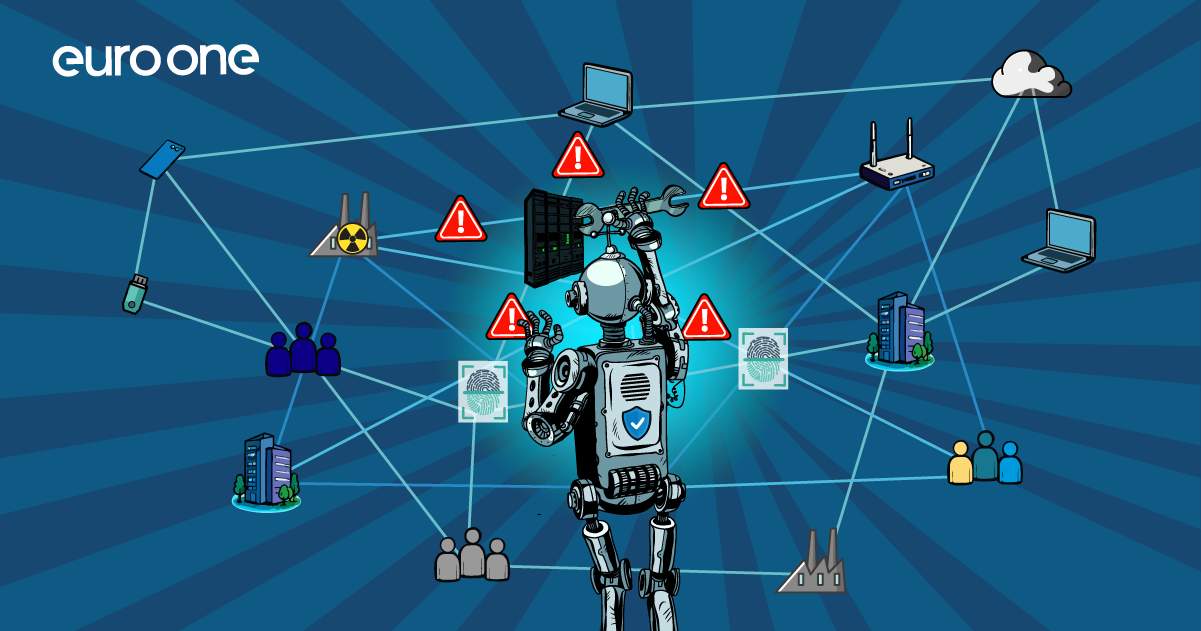
For a long time, the network stayed in the background and became visible only when something failed. Today, in universities, hospitals, research institutes, and large enterprises, the network is a critical foundation. When traffic increases or incidents multiply, IT teams often spend too much time investigating repeated problems. NetOps—and its AI-powered form, agentic NetOps—helps reduce this workload.
Why traditional network operations fall short
Modern networks include
- many vendors,
- old and new technologies,
- on-premises,
- cloud and hybrid systems,
- firewalls, routing solutions,
- specialized applications.
At the same time, skilled network professionals are hard to find, while the number of systems to monitor, configure, and secure keeps growing. Hiring, outsourcing, or adding new tools can help, but these approaches do not fully solve the problem. Automation is useful, but it often requires coding, API knowledge, and continuous maintenance.
Key benefits of NetOps
NetOps manages the network as one unified operational environment instead of separate devices, configurations, and tickets.
Its main benefits are:
- Transparency: It makes routes, connections, and dependencies visible.
- Automation: It reduces repetitive manual tasks.
- Faster troubleshooting: It provides context about problems and their impact.
How agentic NetOps stands apart
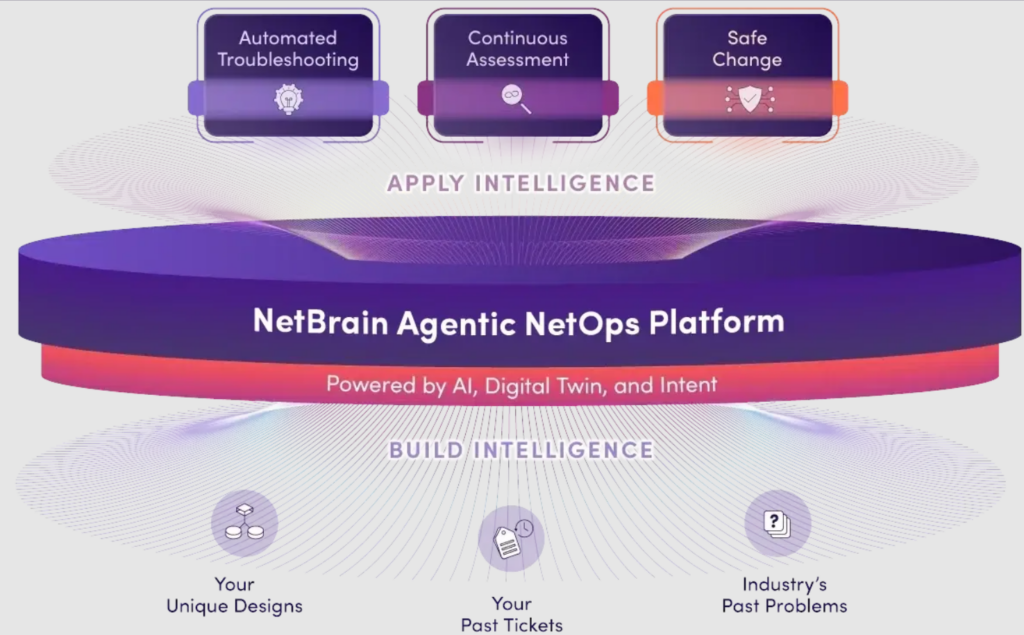
Agentic NetOps adds AI to network operations. It can interpret events, recommend actions, assess risks, and, with proper control, even intervene.
Instead of only sending alerts, it helps explain why an issue happened, which services are affected, what risks exist, and what steps may solve the problem.
Digital Twin: a real-time network model
A digital twin is a continuously updated model of the network. It maps devices, connections, routing paths, firewall rules, application communication, and service access points. This helps teams simulate planned changes before implementation and understand possible impacts and risks.
Context-aware troubleshooting
AI-supported troubleshooting analyzes problems in context. It can show which service is affected, where the issue appears, which users are impacted, and what steps may resolve it.
This reduces routine investigation and helps operators start from a prepared analysis.
Managing risks and maintaining control
Network operations and security are closely connected. Misconfigurations can cause outages and security risks.
Agentic NetOps can identify
- risky firewall rules,
- weak segmentation,
- outdated configurations,
- incorrect routing,
- poorly tracked changes.
However, automated intervention must remain controlled through approvals, auditability, simulation, and human oversight.
Simplified network automation
No-code automation allows network experts to automate everyday processes without writing scripts or managing APIs. It reduces manual errors, simplifies maintenance, and leaves more time for complex work.
The future of network operations
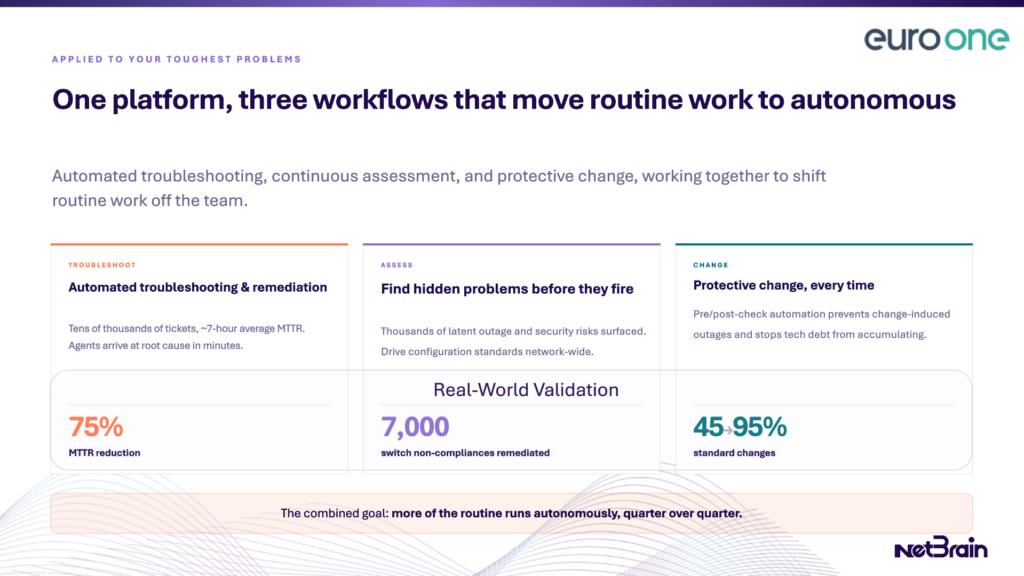
NetOps provides a more transparent, automated approach to network operations. Agentic NetOps adds AI-supported interpretation, recommendations, risk assessment, and controlled intervention.
The future of network operations is not more alerts, but less noise, faster root cause analysis, safer changes, and more time for strategic work.
Read the full article on our International subsidiary’s website by clicking on the logo: