




Successful SOAR implementation: five factors that make the difference
 Tamás Szalay
 2026.11.12

SOAR platforms help SOCs streamline incident handling, reduce repetitive work and improve response efficiency. Yet implementing SOAR successfully requires more than selecting the right technology. Clear processes, organizational commitment and realistic automation goals are equally important.
Build efficient processes before automating
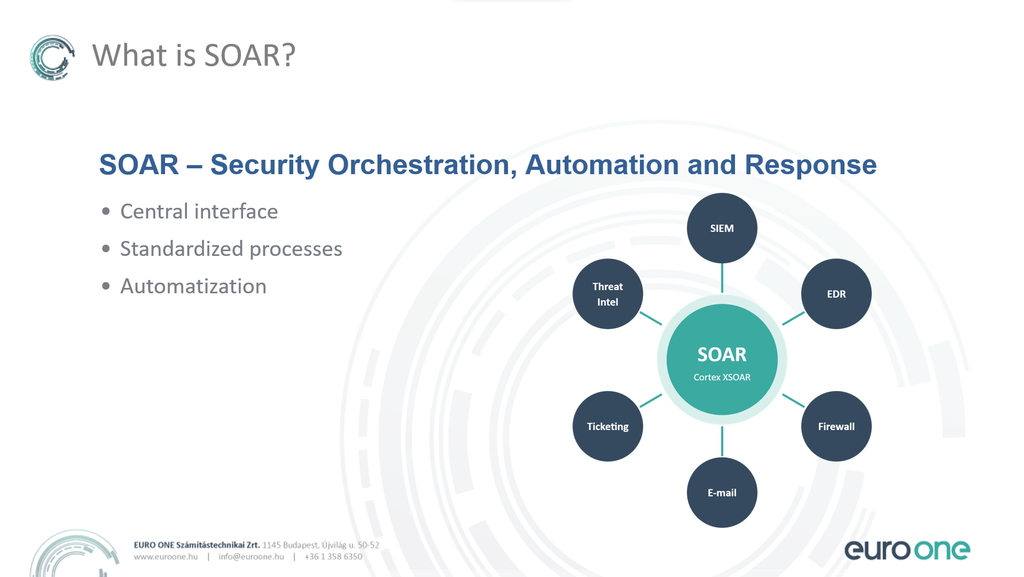
The biggest challenge for many SOCs is fragmented operations. Analysts must navigate multiple security tools, gather scattered information and manually coordinate incident response.
SOAR addresses these problems by providing a centralized environment, standardizing workflows and enabling automation. However, automating poorly defined processes rarely delivers meaningful improvements.
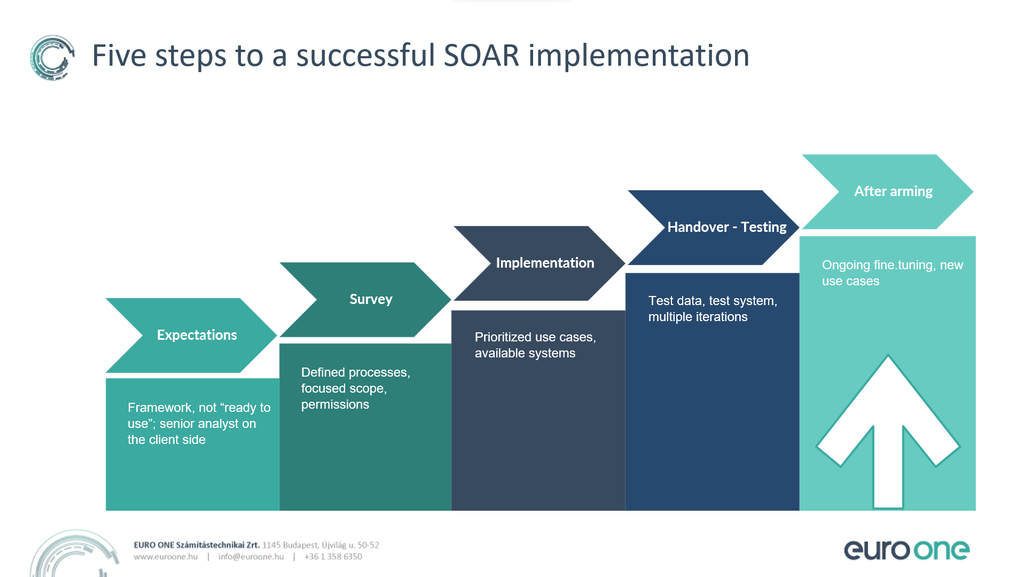
Organizations should first assess their existing incident management procedures, clarify responsibilities and identify opportunities for optimization. This preparation and planning stage may represent 20–30% of the overall implementation effort.
Choose automation use cases strategically
Not every security process should be automated immediately. Successful projects typically prioritize three categories:
- High-volume incidents: Repeated events such as failed logins, malware detections and endpoint alerts.
- Critical but infrequent incidents: High-risk scenarios where documented workflows ensure consistent responses and preserve operational knowledge.
- Time-consuming manual activities: Data collection, notifications, reporting and incident status updates.
Starting with clearly defined use cases helps organizations demonstrate value while gradually expanding their automation capabilities.
Support analysts instead of replacing them
SOAR is designed to improve analysts’ productivity, not eliminate their roles. By reducing administrative work and repetitive activities, security professionals can concentrate on investigation, decision-making and complex threats.
The main advantages include faster incident resolution, consistent procedures, improved auditability and reduced dependence on individual expertise.
Secure organizational support and clear responsibilities
Technical integration is only part of the implementation challenge. Projects frequently encounter unclear ownership, insufficient permissions, integration restrictions and resistance to operational changes.
For example, automated containment may require authorization to isolate endpoints or modify firewall configurations.
Management support and cooperation between security, IT and business teams are therefore essential. Without appropriate decision-making authority and clearly assigned responsibilities, even technically feasible automation may remain unused.
Focus on long-term results, not quick wins
A large enterprise SOAR project demonstrated the potential impact of carefully planned automation. The organization implemented a complex workflow involving approximately 450 steps, requiring nearly a year of development and optimization.
Despite the lengthy implementation, average incident processing time decreased from two days to just tens of minutes. The project also improved response consistency, reduced analyst workload and received recognition at corporate group level.
The lesson is clear: sustainable results depend on realistic objectives, continuous refinement and strong organizational involvement.
The next evolution: combining SOAR with AI
AI-powered SOC solutions are creating new opportunities to enhance existing SOAR environments. While SOAR coordinates workflows and automated responses, AI can support incident analysis, contextual investigation and decision-making.
Rather than replacing SOAR, AI capabilities can complement established automation processes, helping security teams respond more effectively to increasingly complex threats.
Ultimately, successful SOAR implementation is not measured by the number of automated tasks. Its real value lies in faster response, reliable operations and measurable improvements in SOC performance.
Read the full article on our International subsidiary’s website by clicking on the logo: