



Modernizing the data center: AI, virtualization, and data protection
 László Buga
 2026.06.25
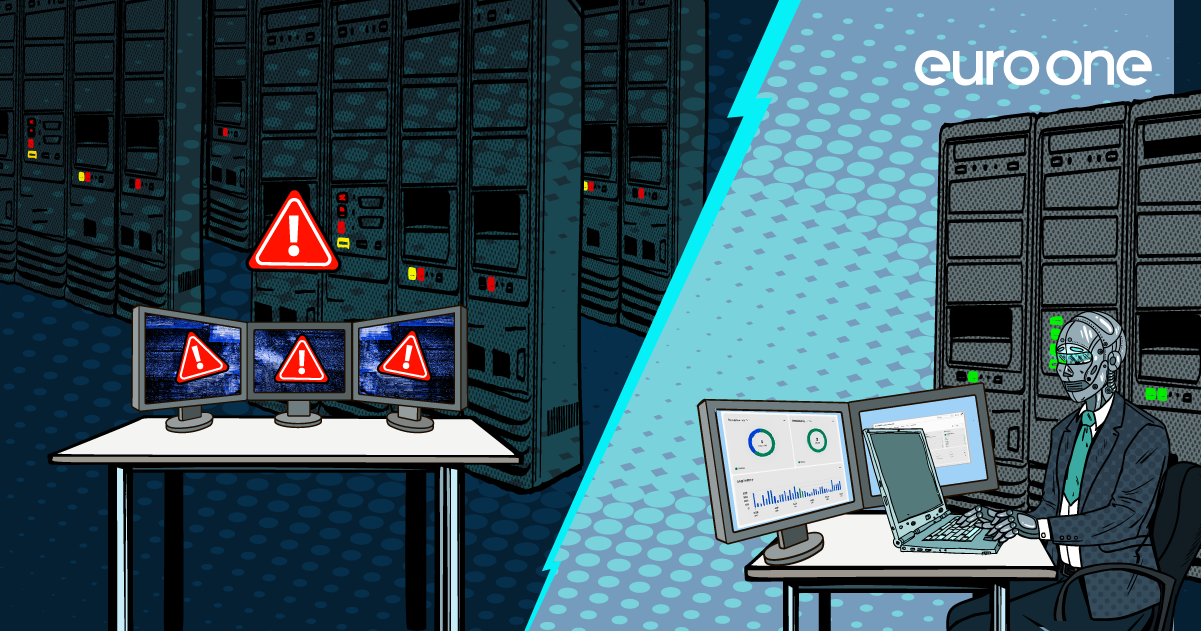
Data center operations are changing. Companies need more cost-efficient virtualization, clearer monitoring, easier migration, and reliable data protection.
VMware licensing changes have accelerated the search for alternatives, but the real goal is not just platform replacement. Organizations need an operating model that is simpler, more transparent, and easier to control.
AI-powered monitoring: helping teams work smarter
Monitoring teams often face too many alerts, dashboards, and technical messages. Centralized monitoring helps, but alerts still need to be interpreted and prioritized.
AI can support this process by translating technical alerts into clearer, natural-language explanations. For example, a Zabbix and LLM integration can help operators understand problems faster, reduce noise, and support junior colleagues.
AI should not manage infrastructure independently. Its realistic role is to explain issues and suggest possible solutions, while human approval remains essential.
HPE Morpheus VM Essentials: a practical alternative
HPE Morpheus VM Essentials is a socket-based, KVM-based virtualization alternative for organizations reviewing their VMware strategy.
It can also serve as a first step toward the broader Morpheus platform. Key capabilities include:
- high availability;
- automatic compute and storage load balancing;
- built-in data protection;
- centralized management;
- automation with bash and PowerShell scripts.
Core infrastructure and management principles
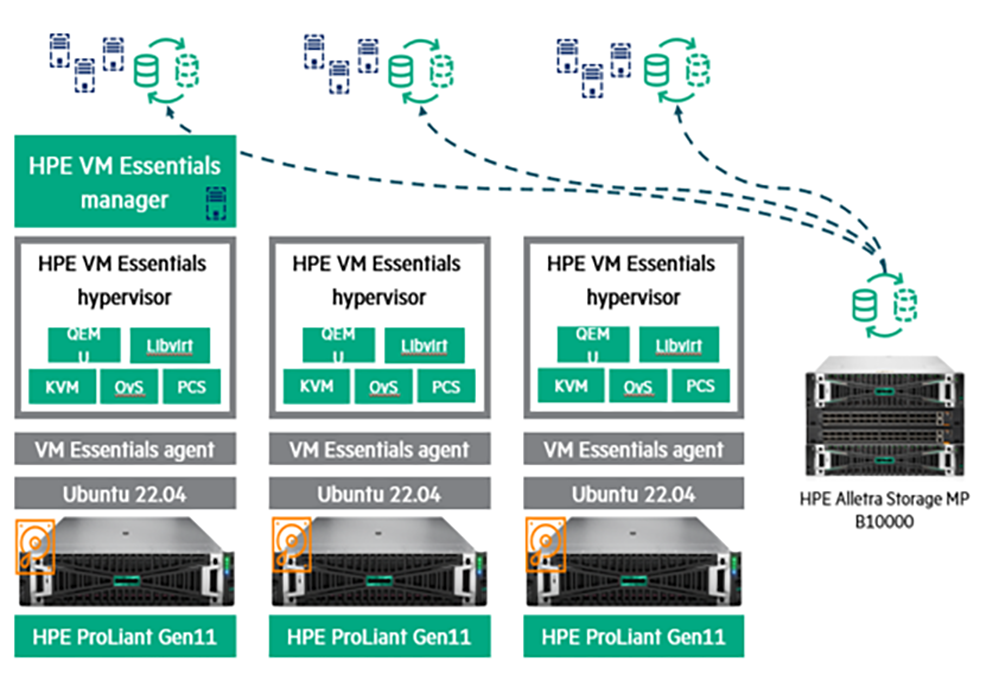
VM Essentials is built on Ubuntu, KVM, QEMU, and Open vSwitch.
Open vSwitch supports centralized network management, so VLANs and network settings can be managed from one interface instead of separately on each host.
In practice, VME Manager is often better placed outside the virtualization environment, keeping management available even during infrastructure issues.
Infrastructure, migration, and data protection
VM Essentials supports local storage, HCI/CEPH, shared storage with Fibre Channel, iSCSI or NFS, and vVOL-style storage such as HPE Alletra MP.
The right choice depends on performance, availability, cost, and operational complexity. Fibre Channel and iSCSI remain stable options, while NFS requires careful planning.
Migration and backup must be tested early. VM Essentials includes VMware migration functions, but some workloads, especially Windows systems, may require preparation because of KVM drivers.
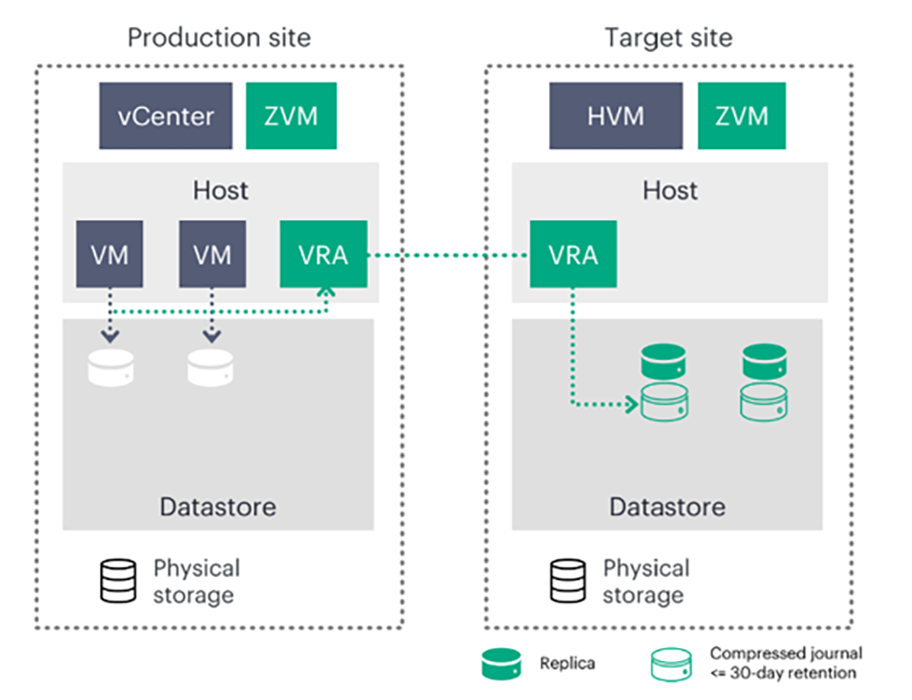
Backup integrations with Commvault, Veeam, and Zerto are important. Veeam supports VM, file-level, and application-level restore, while Zerto supports disaster recovery, replication, lower RTO, and migration scenarios.
Operational considerations
Data center modernization is not only a product decision. It depends on the operating model, team expertise, automation goals, and data protection needs.
Key principles include:
- monitoring should support interpretation;
- AI should remain controlled and supportive;
- management should be separated from infrastructure;
- storage should match workload and HA needs;
- migration and backup should be validated early.
Beyond virtualization: a broader operational shift
HPE Morpheus VM Essentials can be a practical option for organizations rethinking virtualization. Its value lies not only in licensing or KVM technology, but in how it supports a broader operational model.
With AI-supported monitoring, centralized management, flexible storage, and integrations such as Veeam and Zerto, the data center can become more transparent, automated, and controllable.
Success still requires planning, pilot testing, compatibility checks, and operational discipline. With the right preparation, VM Essentials can become a starting point for modern data center operations.
Read the full article on our International subsidiary’s website by clicking on the logo: