



Speed is becoming security teams’ toughest opponent
 Expert of the InfoSec division
 2026.06.11
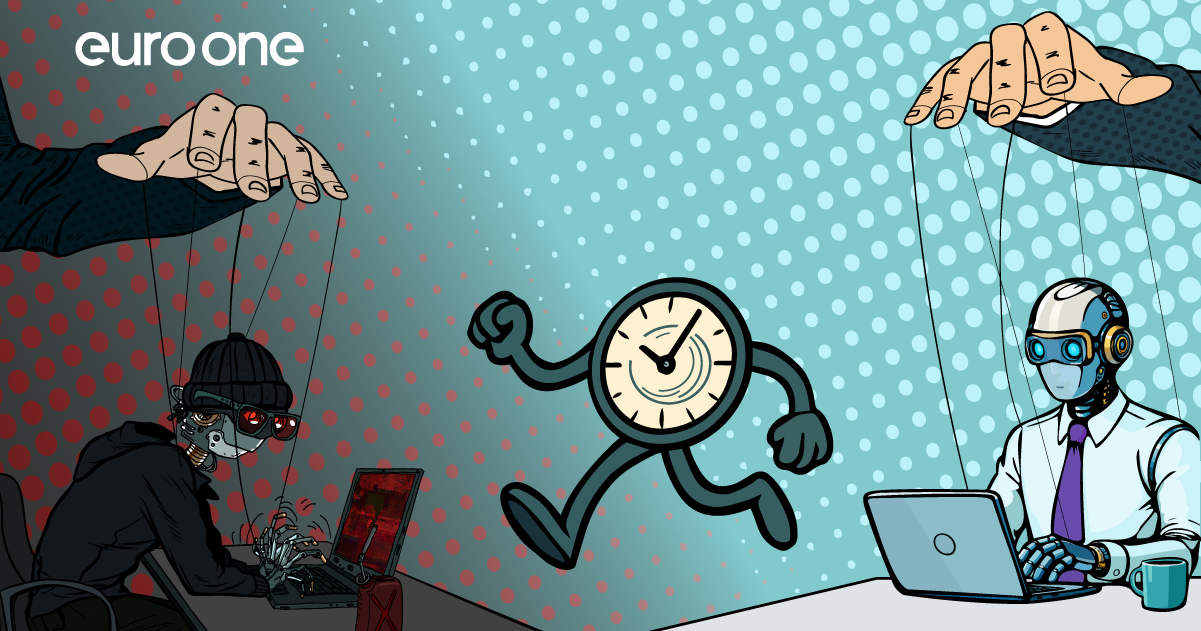
In 2026, cybersecurity leaders will have to manage two major pressures at the same time. The attack surface is expanding quickly as cloud services, hybrid infrastructures, remote work, and complex digital ecosystems create more systems, data, and user interactions to protect. At the same time, artificial intelligence is becoming part of the attackers’ toolkit, not only a defensive technology.
Frost & Sullivan’s view of the modern SIEM market and Gartner’s analysis of GenAI-related risks point in the same direction: security can no longer remain reactive, rule-based, or dependent on occasional awareness campaigns. Organizations need faster decisions, smarter platforms, and a more practical approach to human behavior.
SIEM is no longer just about collecting logs
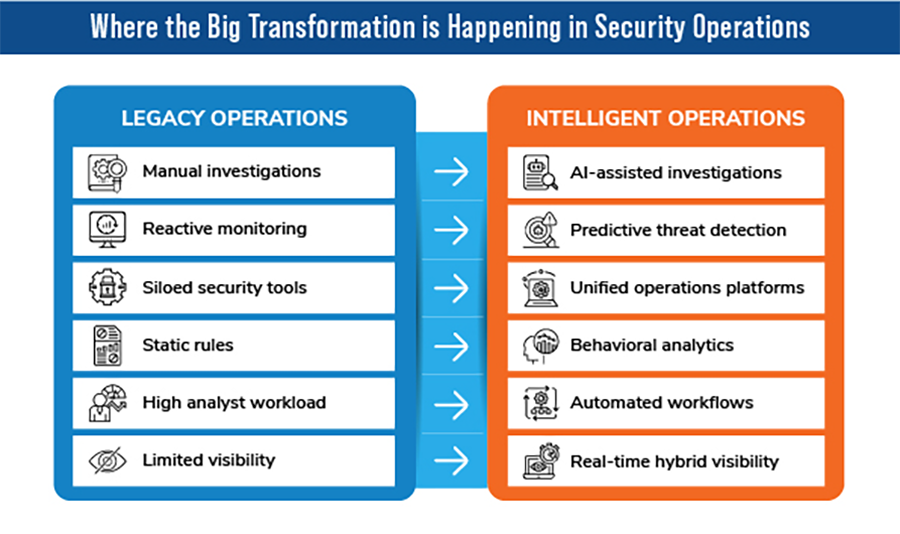
Security operations centers are no longer simply monitoring events. Their real challenge is to identify the few signals that matter among a growing amount of digital noise. In this environment, traditional retrospective analysis can quickly fall behind attackers.
Modern SIEM is therefore becoming less of a background logging tool and more of a central system for security decision-making. Its value lies in connecting events, recognizing unusual patterns, and helping teams prioritize which alerts require immediate action.
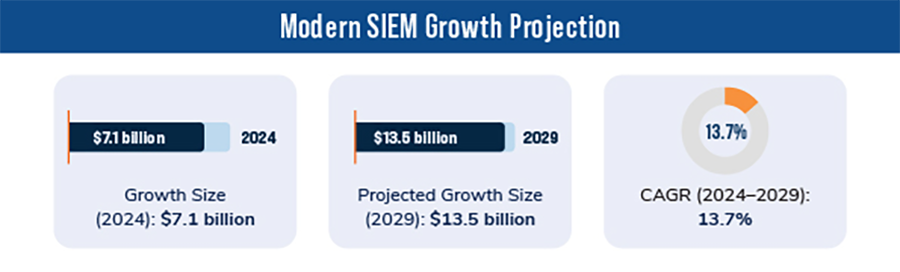
This shift is also visible in the market. According to Frost & Sullivan, the modern SIEM market was valued at $7.13 billion in 2024 and could reach $13.55 billion by 2029, representing annual growth of around 13.7 percent. The reason is practical: organizations must handle cloud environments, compliance requirements, ransomware, supply chain attacks, and more sophisticated phishing attempts at the same time.
Cloud, automation, and convergence
Cloud-native and SaaS-based SIEM solutions are becoming increasingly important. Traditional on-premises systems are often harder to scale, more demanding to operate, and slower to adapt to changing IT environments. Cloud-based platforms are generally easier to deploy and better suited to hybrid and multi-cloud infrastructures.
This matters especially when security teams are already under pressure. Alert volumes are high, false positives consume valuable time, and skilled cybersecurity professionals remain in short supply. In this context, automation is no longer just a convenience. If a platform can handle repetitive investigative steps, enrich incidents with context, or prepare response actions, it can directly reduce analysts’ workload.
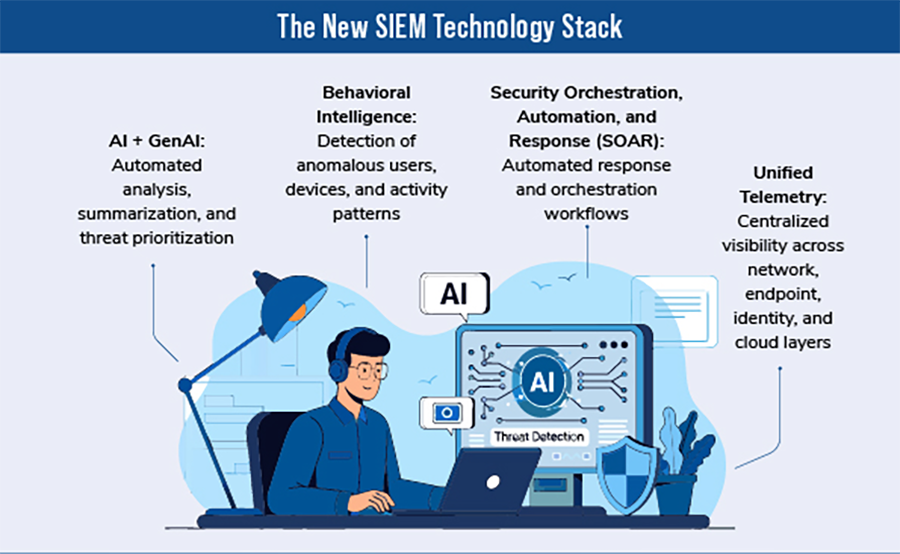
Another major trend is convergence. SIEM is increasingly integrated with SOAR, UEBA, XDR, and AI-based analytics. The goal is to manage detection, investigation, and response within one connected security operations ecosystem instead of relying on fragmented tools and processes.
GenAI is changing human risk
While AI is becoming essential for defense, it is also creating new risks inside organizations. Gartner warns that traditional cybersecurity awareness programs are no longer enough in workplaces where GenAI tools are widely used.
More than 86 percent of organizations are already experimenting with or using GenAI. Employees often move faster than official policies: they use personal AI accounts for work, enter sensitive data into public tools, or install unapproved applications. Gartner cites research showing that more than 57 percent of employees use a personal GenAI account for work, while 33 percent admit they have entered sensitive workplace information into a public or unapproved GenAI tool.
This is not simply user negligence. Employees use AI because it is fast, convenient, and helps them feel more productive. If organizations respond only with bans, AI usage may simply move into the shadows. That is the main risk of shadow AI: the behavior does not disappear, but it becomes harder to monitor and control.
Phishing is becoming harder to detect
GenAI also strengthens attackers. In the past, phishing emails were often easier to recognize because of poor wording, generic messages, or suspicious formatting. AI-generated attacks can now be more accurate, personal, and convincing.
Deepfakes, voice-based scams, video manipulation, and AI-supported social engineering further reduce the chance that users will identify a threat by intuition alone. Gartner notes that 35 percent of organizations have already experienced a deepfake attack, while the number of AI-powered phishing emails has doubled over the past two years.
This means static awareness advice is no longer sufficient. Telling employees not to click suspicious links or to check the sender still matters, but it is not enough when a message is well-written, context-aware, and appears to come from management. Users need clear decision rules and practiced responses, not only theoretical knowledge.
From awareness to secure behavior
The focus of cybersecurity training must shift from awareness to behavior and culture. The key question is not whether an employee can define phishing after a training session. What matters is what they do when they receive an urgent payment request, rely on an AI-generated summary, or use a productivity tool that asks for sensitive customer data.
In practice, this requires continuous and embedded learning. Organizations need realistic simulations, short and regular training modules, clear GenAI usage rules, and simple reporting channels. Employees should know which tools are approved, what data must never be entered into AI systems, how to verify AI-generated outputs, and when human approval is required.
This is not only an IT security issue. GenAI risk also affects legal, compliance, data protection, HR, and business leadership. If rules are too general, employees will not be able to apply them. If they are too strict, users may work around them. The better approach is to build security expectations into everyday business processes.
Technology and behavior must evolve together
At first, SIEM modernization and GenAI awareness may seem like separate topics. One is about security platforms and operations; the other is about employees and behavior. In reality, they are part of the same transformation.
Organizations need stronger technological foundations: SIEM and security operations platforms that can process large volumes of data, support analysts with AI, automate response, and provide a unified view across hybrid environments. But technology alone is not enough. Attackers still exploit trust, urgency, and habit, while GenAI creates new ways to deceive users.
Successful organizations will be those that treat SIEM modernization, AI adoption, and cybersecurity culture as connected priorities. SIEM shows what is happening. Automation accelerates response. AI supports analysis. A strong security culture reduces the chance that risky decisions will go unnoticed in daily work.
Conclusion
In the next phase of cybersecurity, AI will play a dual role. It can help defenders reduce noise, improve detection, and respond faster. At the same time, it enables more convincing phishing, deepfake-based deception, and new forms of user error.
The old model, where SIEM mainly collected logs and awareness training happened a few times a year, no longer fits today’s threat environment. Future security operations will need to be cloud-native, automated, AI-powered, and behavior-focused.
The goal is not to remove every possible risk. It is to help organizations see faster, decide better, and respond more securely when it matters most.
Read the full article on our International subsidiary’s website by clicking on the logo: